
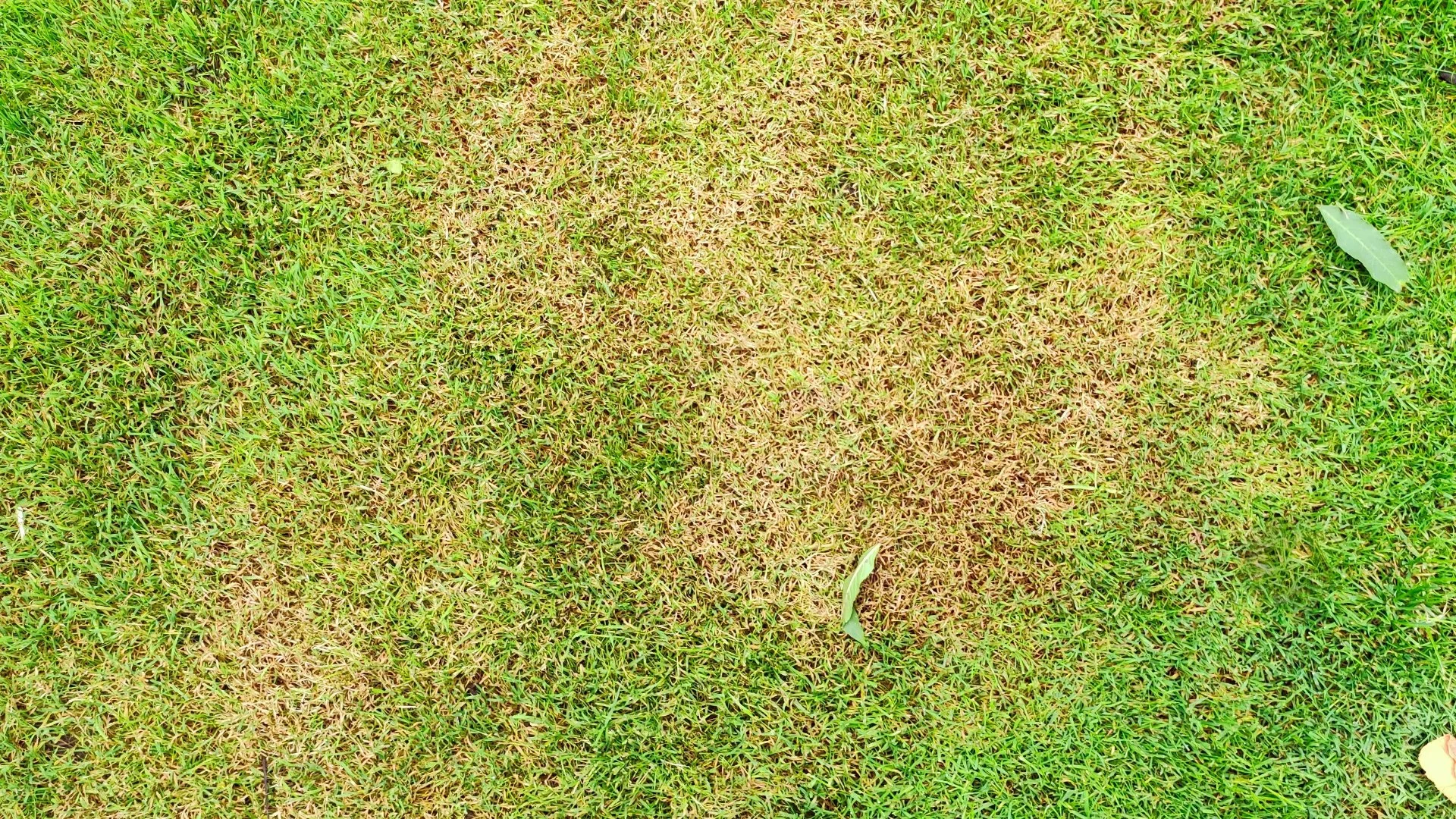
Brown patch lawn disease commonly affects grasses in Texas and appears as circular brown patches. It thrives in warm, humid conditions, which is why it is most common during the summer season. If you suspect an infection, contact lawn care professionals for a curative treatment to prevent further damage. They may also recommend aeration and balanced fertilization to aid recovery. Acting swiftly and adjusting lawn care practices can help maintain a healthy, vibrant lawn throughout the summer.
What is brown patch, and what damage does it cause?
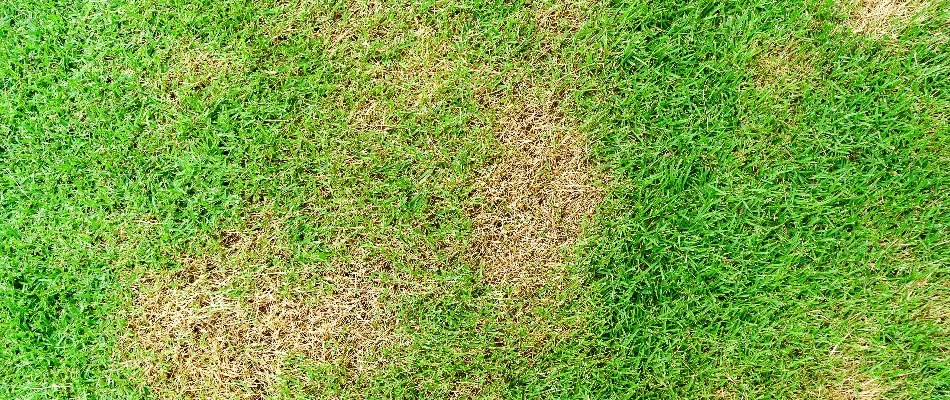
Brown patch is a lawn disease caused by the fungus Rhizoctonia solani. The disease manifests as circular patches of brown, dead grass, ranging from a few inches to several feet in diameter. These patches often have a distinctive, darker outer ring, giving them a "smoke ring" appearance.
The damage caused by brown patch extends beyond aesthetics. The infected grass blades die, leading to thinning and weakening of the lawn. If left untreated, brown patch can create significant bare spots, making it easier for weeds to invade and establish themselves. Additionally, the disease can stress the grass, reducing its ability to withstand other environmental challenges, such as drought or pest infestations.
Why is brown patch common in the summer?
Brown patch is particularly prevalent in the summer due to the warm, humid conditions that promote its growth. The fungus thrives when nighttime temperatures remain above 60°F, and daytime temperatures range between 70°F and 90°F. High humidity and prolonged leaf wetness, often caused by overwatering, heavy rainfall, or poor drainage, create an ideal environment for the disease to flourish.
Lawns that receive excessive nitrogen fertilization are also more susceptible to brown patch. The rapid growth encouraged by high nitrogen levels can make grass more vulnerable to fungal infections. Additionally, lawns with poor air circulation or excessive thatch can retain moisture, further increasing the risk of brown patch development.
What should you do if you suspect brown patch on your lawn?
If you notice signs of brown patch on your lawn, it’s crucial to act quickly. Contacting lawn care professionals and scheduling a curative treatment as soon as possible can prevent the disease from spreading and causing further damage. Professionals can accurately diagnose the issue and apply fungicides to control the infection effectively.
In addition to treating the brown patch, lawn care experts may recommend other services to help your grass recover. Aeration can improve soil drainage and reduce thatch, decreasing the likelihood of future infections. Proper mowing practices, such as keeping the grass at an appropriate height and ensuring sharp mower blades, can also promote a healthier lawn.
Furthermore, adjusting your watering schedule to avoid late afternoon or evening watering can reduce leaf wetness and humidity, creating a less favorable environment for the fungus. Professionals may also suggest a balanced fertilization plan to ensure your lawn receives the necessary nutrients without excessive nitrogen.
Call us today to schedule our brown patch control service!
If you suspect that your lawn is infected with brown patch, we are the team to help you! We offer a brown patch control service that consists of curative treatments to get rid of brown patch from your lawn and stop it from causing further damage. This service also includes inspecting your lawn to understand how the disease developed, so you can take steps to prevent it in the future.
Our professionals at Skyline Landscaping serve homeowners and business owners in and around New Braunfels, Canyon Lake, and Garden Ridge, TX. Call us today at (830) 624-9368 to schedule this service.