
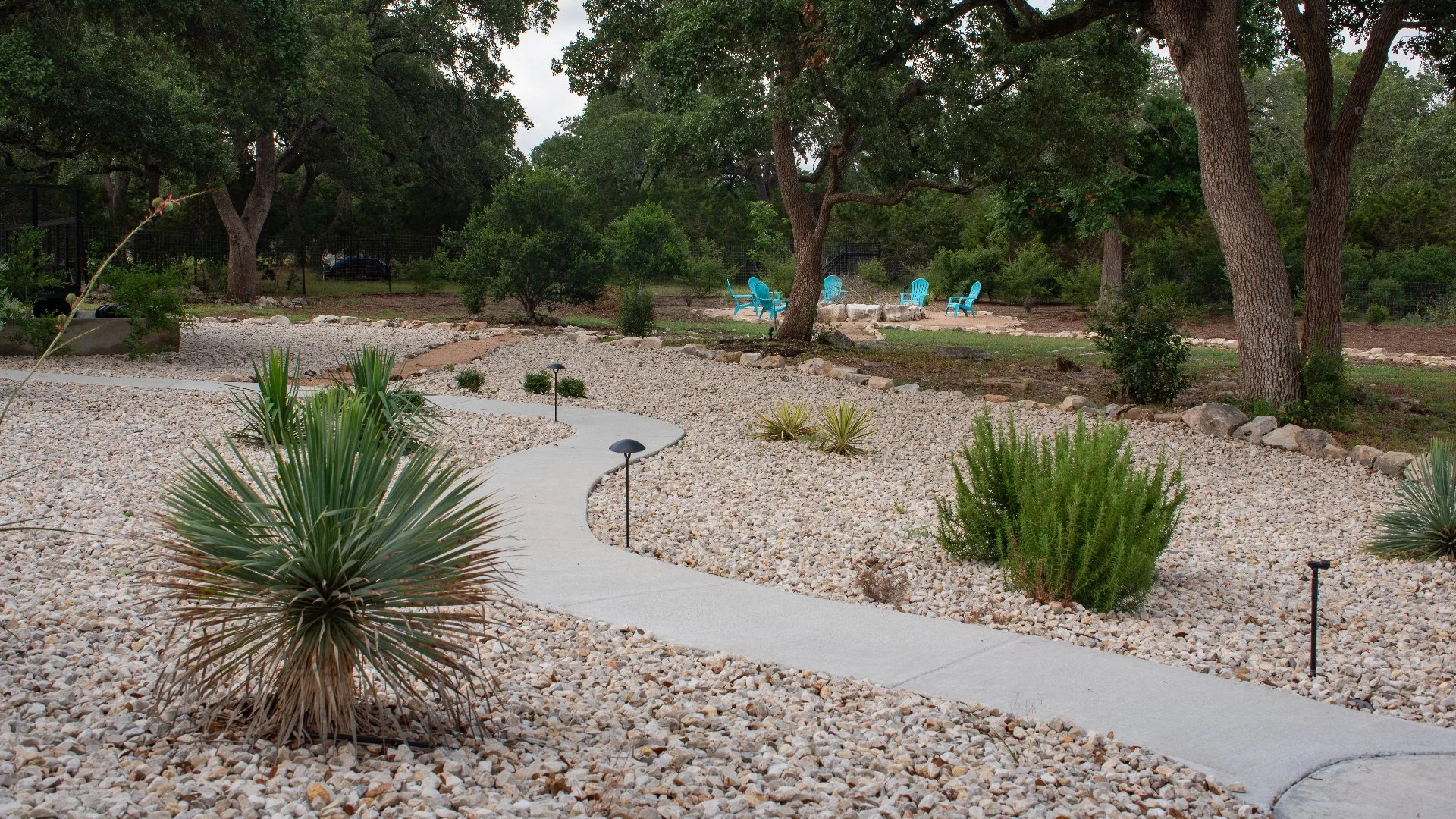
With the arid desert climate in Texas, it's crucial to utilize water wisely, especially for your landscape. That's where xeriscaping comes in. But what exactly is xeriscaping? It involves designing a landscape that requires little to no irrigation beyond what the environment naturally provides. This is achieved by incorporating drought-tolerant plants that can withstand dry conditions and thrive with minimal water.
By opting for xeriscaping, you can conserve water and reduce the maintenance needed to keep your landscape beautiful. Additionally, you'll want to use native plants or those adapted to the desert climate to ensure they thrive and provide low-maintenance beauty to your landscape. Some desert-friendly plants commonly used for xeriscaping include yuccas and agaves!
What is xeriscaping?
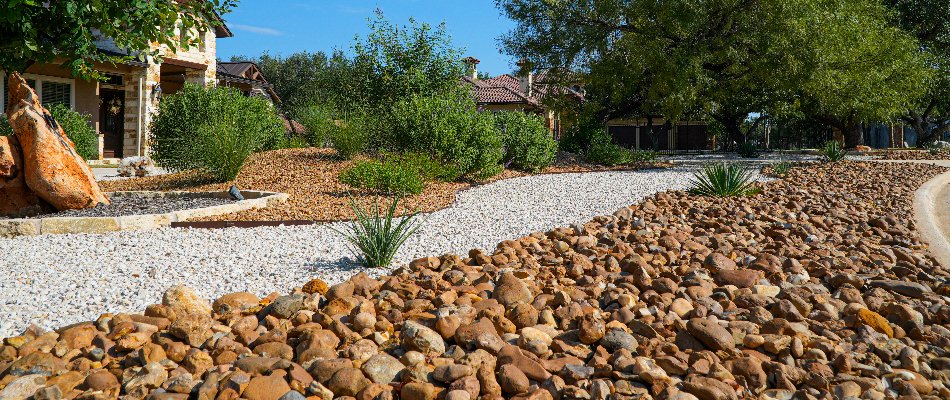
Xeriscaping focuses on designing a landscape that requires minimal to no irrigation beyond what the environment naturally provides. This is achieved by incorporating drought-tolerant plants that can withstand dry conditions and thrive with minimal water. By choosing plants that are well-suited to the desert climate, you can create a beautiful and sustainable landscape that requires less maintenance and resources.
In addition to selecting drought-tolerant plants, xeriscaping also involves other techniques to maximize water efficiency. These techniques include using decorative rocks to retain moisture in the soil, grouping plants with similar water needs together, and designing the landscape to minimize water runoff. By implementing these strategies, you can create a landscape that not only conserves water but also enhances the beauty and functionality of your outdoor space.
Why is xeriscaping important?
Xeriscaping is important because it helps to conserve water and reduce the amount of maintenance needed to keep your landscape beautiful. By using plants that are native to the area or adapted to the desert climate, you can create a landscape that requires minimal irrigation and is more resilient to drought conditions. These plants are naturally adapted to the arid environment, allowing them to thrive with little to no additional water. This not only helps to conserve water resources but also reduces the need for constant watering and maintenance.
Additionally, xeriscaping can also help to reduce the amount of time and effort required to maintain your landscape. By choosing plants that are well-suited to the desert climate, you can create a low-maintenance landscape that requires less attention and care. This allows you to spend more time enjoying your outdoor space and less time worrying about watering and maintaining your plants.
What are some desert-friendly plants commonly used for xeriscaping?
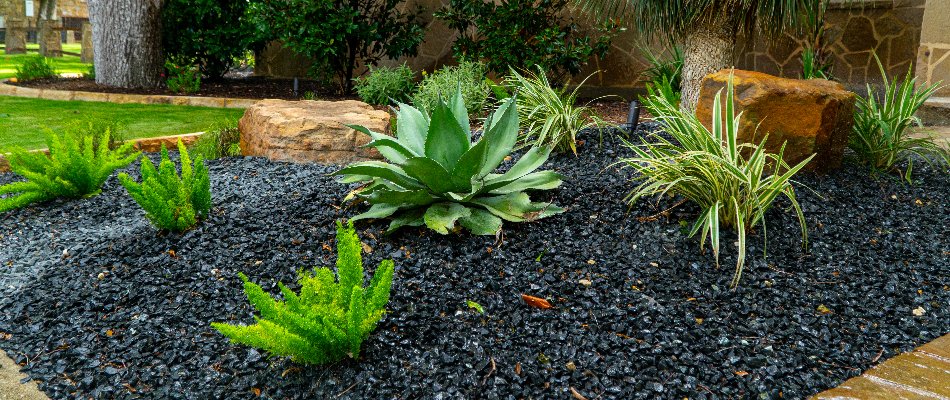
When it comes to xeriscaping, there are several desert-friendly plants that are commonly used. These plants are well-adapted to the arid conditions of the desert and can thrive with minimal water. Some of the most popular desert-friendly plants for xeriscaping include:
- Yuccas: Yuccas are known for their striking appearance and ability to withstand harsh desert conditions. They have long, sword-like leaves and produce tall flower spikes that add a unique touch to any landscape.
- Agaves: Agaves are succulent plants that are known for their rosette-shaped growth and ability to store water. They come in a variety of sizes and colors, making them a versatile choice for xeriscaping.
Call us today to sign up for our xeriscaping service!
If you want to create a beautiful landscape that requires little to no water, then xeriscaping is for you! At Skyline Landscaping, we offer a xeriscaping service to help you achieve a low-maintenance and drought-tolerant landscape that still looks beautiful. Our team has been providing top-notch landscaping services for 11 years, so you can rest assured that we have the skills and experience to give you stellar results.
We offer our xeriscaping service to residential and commercial properties in New Braunfels, Canyon Lake, Garden Ridge, TX, and other surrounding areas. Give us a call at (830) 624-9368 to sign up!